Waste Carbon Dioxide Is Turned Into Edible Fungal Protein
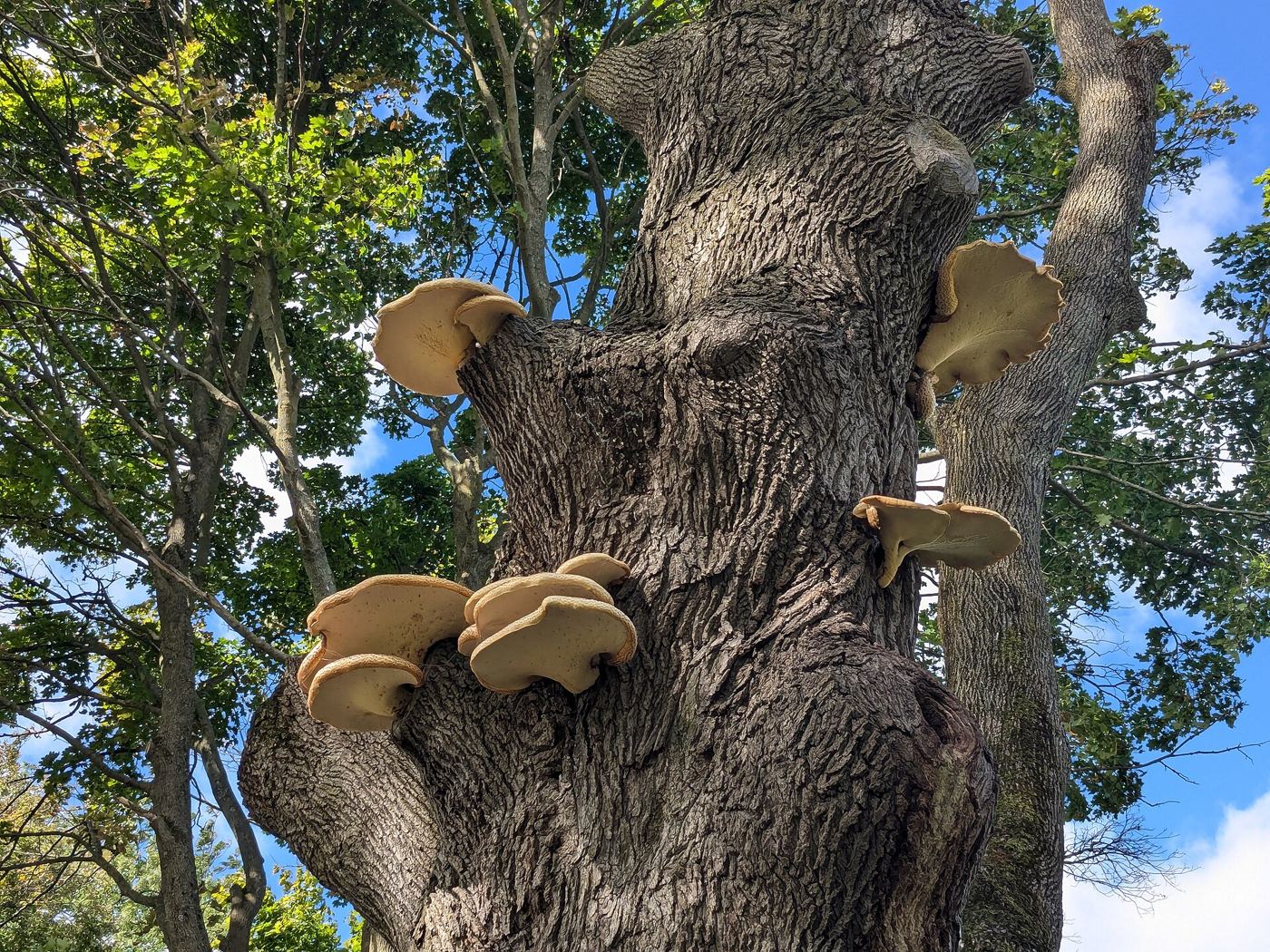
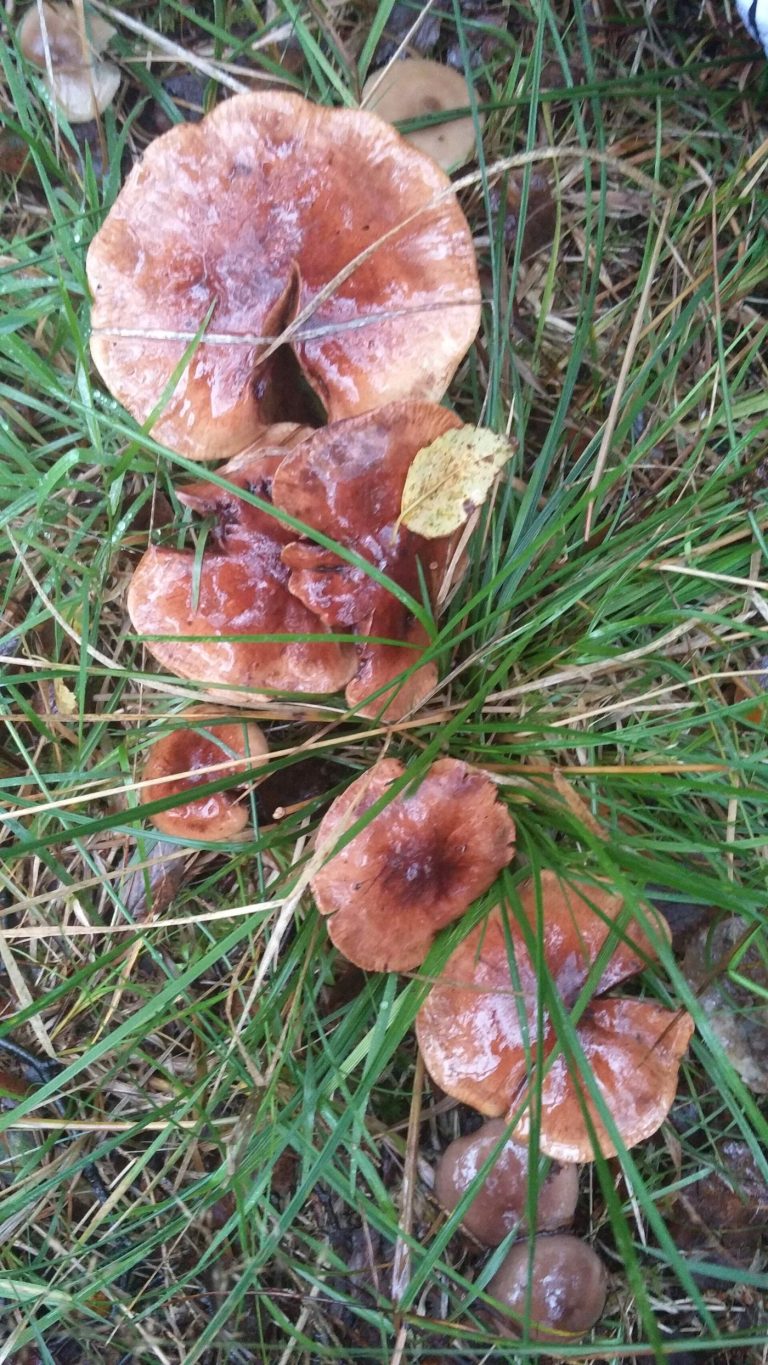
Waste carbon dioxide can be turned into edible fungal protein, according to a new electro-biomanufacturing platform reported in the week of 14 to 21 November 2026. The system uses electricity to convert captured carbon dioxide into food, producing a fungal protein that was about 48.5 percent of the output in the reported work. The approach is part of a growing effort to make food without farmland, using microbes and fungi fed on gases and electricity instead of crops. Traditional protein production needs land, water and fertiliser, and it produces large amounts of greenhouse gas, so a process that eats carbon dioxide instead could cut emissions twice over. The researchers say the platform shows that waste gas can become a useful raw material for food rather than a pollutant to be buried or released.
What the Evidence Shows
The platform works by linking an electrochemical step, which turns carbon dioxide into simpler molecules, with a biological step in which fungi convert those molecules into protein-rich biomass. Fungal protein is already sold as a meat substitute in several countries, so the product has a clear path to the dinner table if it can be made cheaply and safely. The researchers say the key challenge now is scaling up the process and proving that the protein is nutritious and safe to eat in large amounts. The work was highlighted among forty-one peer-reviewed studies in a weekly science roundup covering 14 to 21 November 2026. If the technology matures, it could supply protein in places with little farmland, and it could give heavy industry a reason to capture its carbon dioxide rather than venting it into the sky. Reporting and analysis from sources such as National Science Foundation track the same developments, and specialists following the carbon dioxide to fungal protein platform say the direction is now consistent across independent lines of evidence.
The Wider Context
The wider context is a research landscape in which replication and open data now decide reputations. Findings connected to the carbon dioxide to fungal protein platform are being checked by independent groups with shared datasets, and the teams involved publish their methods in full so rivals can test every step. That discipline is slower than a headline cycle, but it is why results in this area increasingly survive first contact with scrutiny.
What Happens Next
What happens next in the story of the carbon dioxide to fungal protein platform will be decided by follow-up work already under way: larger samples, longer observation and instruments that have not yet come online. The researchers involved are unusually united on one point, that the current results justify the next investment of time and money. Readers will not have to wait long for the first tests of that claim. You can follow related developments in our coverage of science.
There is a practical lesson in all of this for readers deciding what to do today. Start with the verified facts, be wary of anyone promising certainty, and prefer reversible steps while the evidence is still developing. Circumstances differ by country, income and personal situation, so general guidance should always be weighed against your own context before you act on it in any significant or lasting way.