A Blood Test Spots the Earliest Warning Signs of Ovarian Cancer
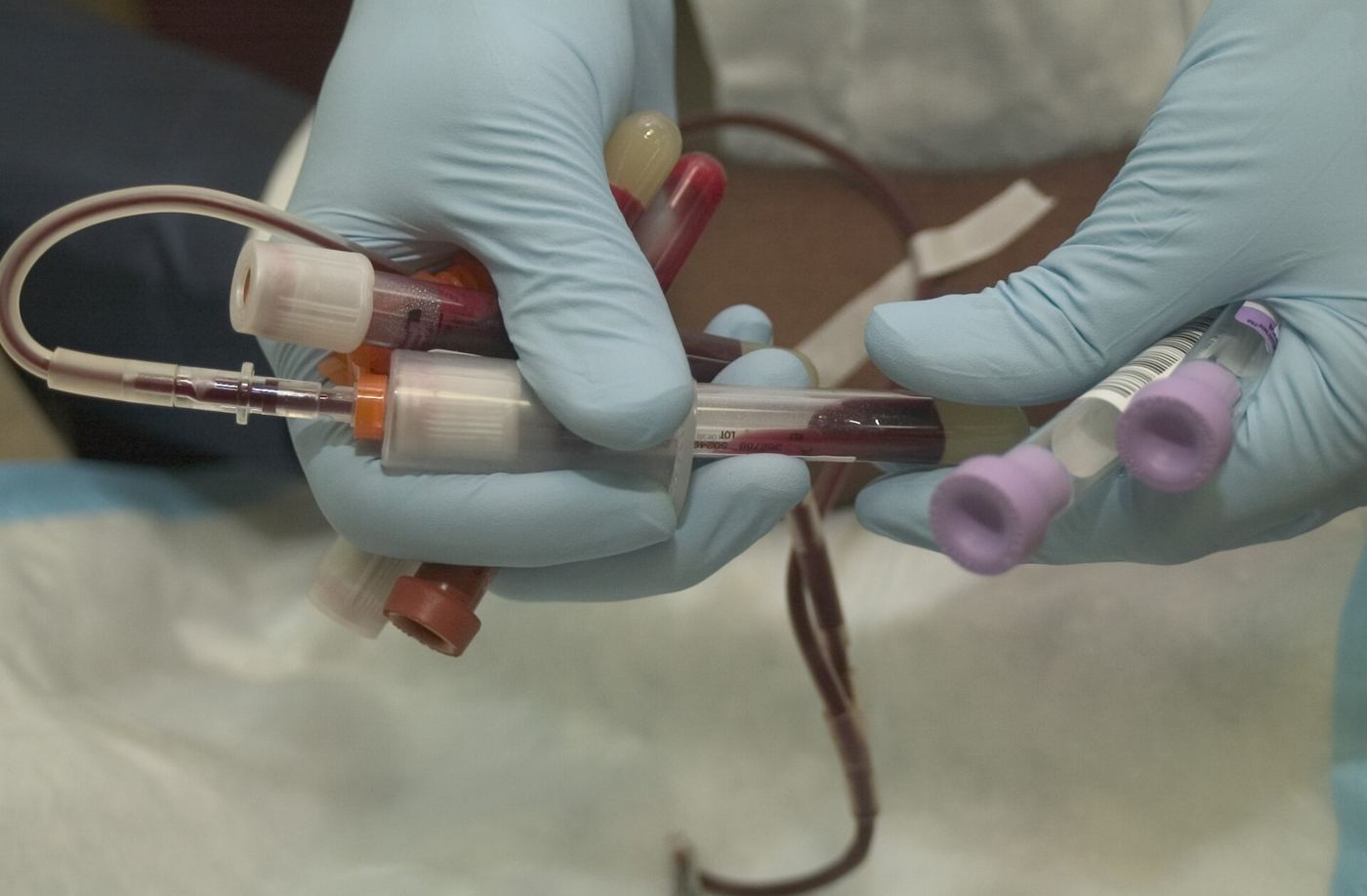
Researchers have developed a blood test that can identify the earliest precancerous stage of the most common and deadly form of ovarian cancer, years before conventional tests can detect a tumour. The discovery, announced on 10 November 2026 and published in Nature Medicine, came from an eight-year international study led by researchers at Hoag Family Cancer Institute in California, led by Dr Rajan Gogna and Dr Esha Madan. The team found elevated blood levels of an RNA molecule called Tu-Stroma in women with serous tubal intraepithelial carcinoma, known as STIC, an early precancerous stage of high-grade serous ovarian cancer. Tu-Stroma is associated with one of cancer’s fundamental processes: weakening neighbouring healthy cells to make room for cancer to grow. High-grade serous ovarian cancer is the deadliest form of the disease, and most cases are found only after the cancer has spread beyond the ovaries.
What the Evidence Shows
In a separate group of women used to validate the findings, the test detected the precancerous condition in 92.3 percent of women who had it and correctly identified 98.2 percent of healthy women. The study analysed previously collected blood samples from women with confirmed diagnoses, drawing on clinical samples from multiple countries. Ovarian cancer is often diagnosed late because it causes few symptoms in its early stages, and survival is far better when it is caught early. The researchers are now planning prospective clinical studies involving women with and without elevated genetic risk of ovarian cancer, to test whether the blood test can reliably flag the disease before it becomes visible on scans. The researchers validated the test on blood samples collected years earlier, which let them check whether the signal appeared before any tumour was visible. Reporting and analysis from sources such as National Science Foundation track the same developments, and specialists following the Tu-Stroma RNA blood test say the direction is now consistent across independent lines of evidence.
The Wider Context
The wider context is a research landscape in which replication and open data now decide reputations. Findings connected to the Tu-Stroma RNA blood test are being checked by independent groups with shared datasets, and the teams involved publish their methods in full so rivals can test every step. That discipline is slower than a headline cycle, but it is why results in this area increasingly survive first contact with scrutiny.
What Happens Next
What happens next in the story of the Tu-Stroma RNA blood test will be decided by follow-up work already under way: larger samples, longer observation and instruments that have not yet come online. The researchers involved are unusually united on one point, that the current results justify the next investment of time and money. Readers will not have to wait long for the first tests of that claim. You can follow related developments in our coverage of science.
There is a practical lesson in all of this for readers deciding what to do today. Start with the verified facts, be wary of anyone promising certainty, and prefer reversible steps while the evidence is still developing. Circumstances differ by country, income and personal situation, so general guidance should always be weighed against your own context before you act on it in any significant or lasting way.