Anime Conventions Are Back — Bigger, Louder and More Global Than Ever
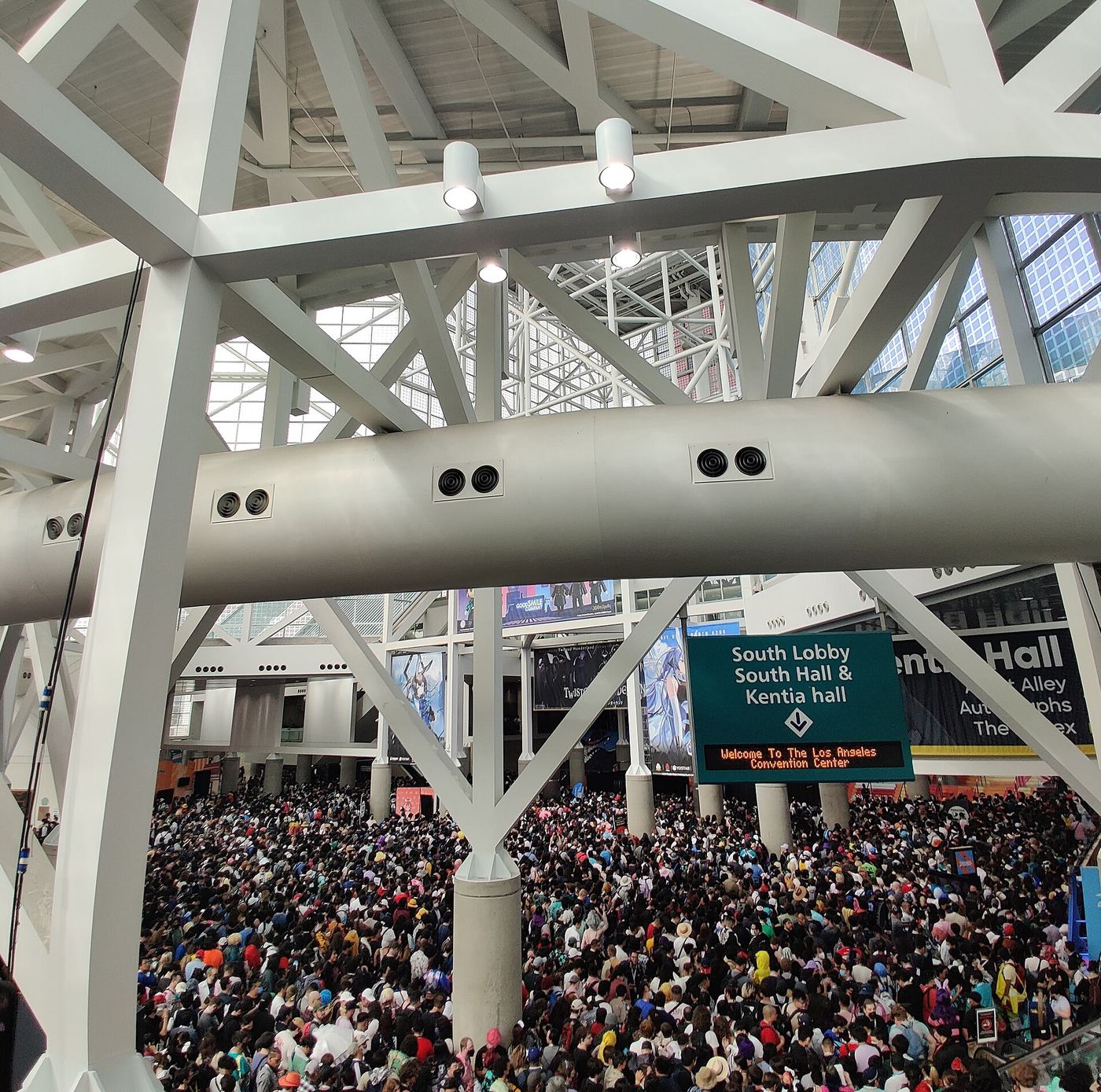
Stand outside a major anime convention on a Saturday morning and the scale of modern fandom stops being abstract. The queue wraps around the convention centre. Hotels for blocks are full of cosplayers doing final wig adjustments in the lobby. Local cafés have renamed menu items after this season’s characters. After years of uninterrupted growth, anime conventions have become some of the largest fan gatherings on Earth — and they are still getting bigger.
The numbers tell the story. Flagship events in Tokyo, Los Angeles, Paris and London draw attendances in the hundreds of thousands across a weekend, rivalling major sporting events. Japan Expo in Paris, Anime Expo in Los Angeles and Comiket in Tokyo each anchor a calendar that now includes significant conventions on every continent. Reporting by The Japan Times and other outlets has charted how anime’s global market growth feeds directly into these live events.
Why growth keeps compounding
Streaming put anime in every teenager’s pocket; conventions are where that private viewing becomes public identity. For many attendees — especially younger fans — the convention is the one weekend a year spent entirely among people who share their references, their ships and their humour. That social function, more than any guest list, is what sells out badge tiers months in advance.
The industry has reorganised itself around the calendar. Studios time announcements for convention stages, game publishers build playable demos for expo floors, and exclusive merchandise drops turn artist alleys and dealer halls into destinations of their own. Our anime coverage tracks the biggest announcements from each season’s headline events.
Cosplay at the centre
Cosplay has moved from hobbyist corner to the visual identity of the modern convention. Dedicated cosplay repair stations, photography halls and changing facilities are now standard infrastructure. Top cosplayers arrive with followings larger than some of the shows they are dressed as, and craftsmanship competitions showcase builds — articulated armour, LED embroidery, hand-dyed silk — that would shame film costume departments.
Growing pains
Growth brings friction. Ticket prices have climbed, popular panels require lottery systems, and veteran attendees grumble about crowds even as they renew their badges. Organisers are responding with expanded venues, satellite programming and stricter capacity management. Smaller regional conventions, meanwhile, are thriving by offering the intimacy the mega-events have lost, along with shorter queues, cheaper hotels and a genuine chance to talk with guests rather than glimpse them across a hall.
The trajectory, though, is unmistakable. Anime is no longer a niche import but a default language of global youth culture, and its conventions are where that culture physically assembles. The fandom built these events out of rented halls and word of mouth. It now fills stadiums districts at a time — and shows no sign of handing them back.