Hot Cities, Heavy Toll: Most European Heat Deaths Now Linked to Human Warming
Europe keeps breaking temperature records, and its morgues keep quietly absorbing the consequences. New attribution research examining heat-related deaths across European cities has delivered the field’s most consequential estimate yet: human-caused climate change may have contributed to more than half of them. The deaths, in other words, are not simply weather. They are, in measurable part, us.
How Scientists Reach That Number
The method pairs climate modelling with epidemiology. Researchers simulate the region’s climate with and without industrial greenhouse-gas emissions, then apply established temperature-mortality relationships to both worlds. The difference in deaths between the world we made and the world we didn’t is the human share. As the World Health Organization documents, heat stress already ranks among the deadliest climate impacts — and Europe’s dense, ageing, heat-retaining cities sit at the sharp end. Our blog coverage has tracked attribution science’s journey from contested method to courtroom evidence.
The Geography of Vulnerability
Risk concentrates with cruel logic: the top-floor flat under a zinc roof, the elderly resident living alone, the outdoor worker whose shift cannot move. Night-time temperatures matter most — bodies recover, or don’t, in the dark — and the urban heat island keeps city nights several degrees hotter than the countryside that surrounds them. Data services like the Copernicus Climate Change Service now map that exposure in near-real time, giving health authorities the trigger points for warnings, cooling centres and welfare checks.
Prevention Is Proven — and Uneven
The counterweight to the grim arithmetic is that heat mortality is among the most preventable of all climate harms. France’s post-2003 heat plan is credited with dramatically reducing deaths in later, hotter summers. Shade, ventilation, reflective surfaces, green corridors and organised outreach to the isolated elderly all demonstrably work. The scandal is not ignorance; it is the unevenness of deployment between rich districts and poor ones, rich nations and poor ones.
Why Attribution Changes Politics
Green Shade and the Architecture of Survival
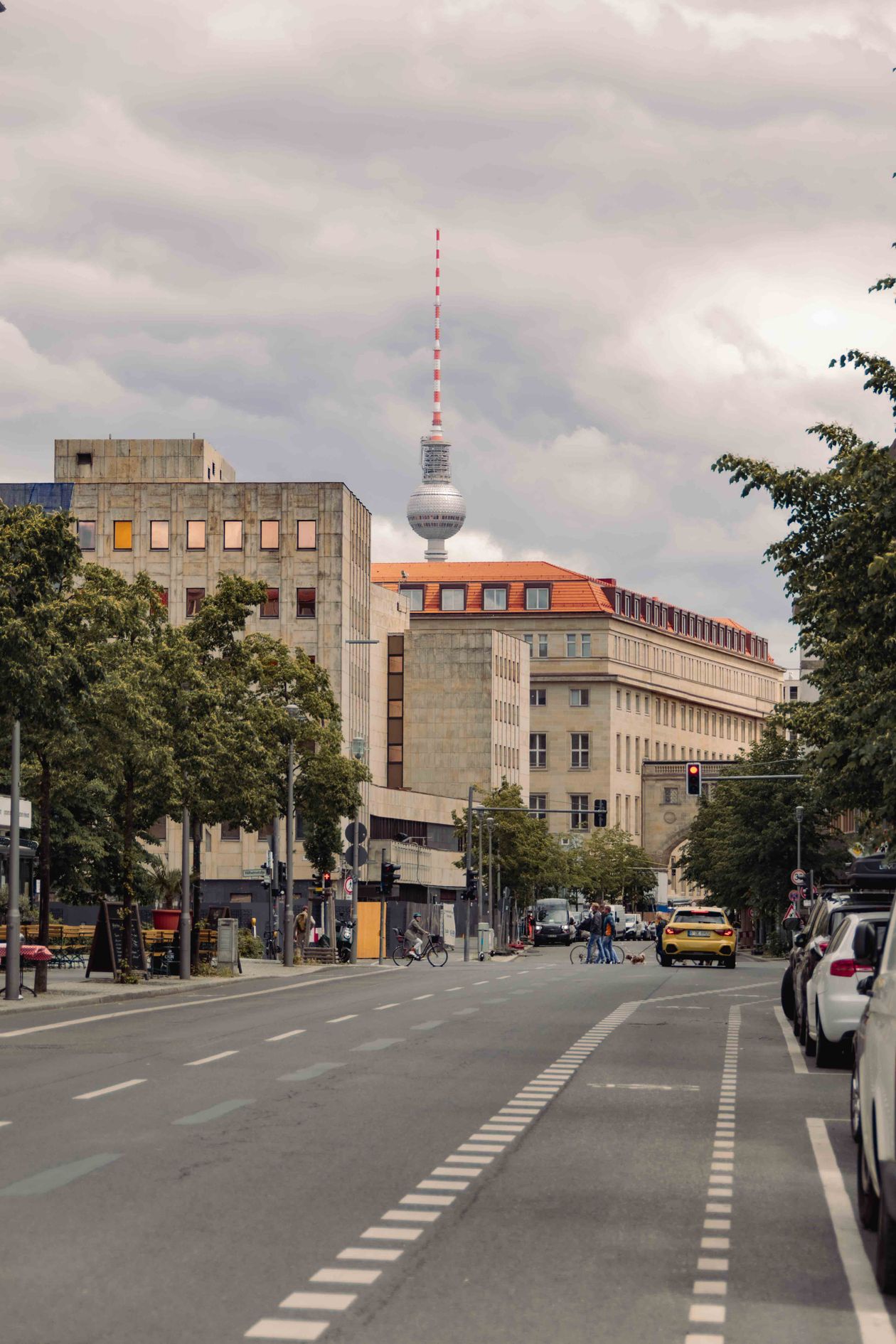
Walk a European city at noon in August and the research becomes tactile: the treeless arterial street is a furnace; the planted square a few streets away is measurably, mercifully cooler. Urban greening has moved from amenity to infrastructure in the heat literature — mature tree canopy can cut local temperatures by several degrees, and districts are now planned against heat maps the way they were once planned against flood maps. Athens, Paris and Barcelona have all appointed chief heat officers, a job title that did not exist a generation ago.
The catch is time. Trees planted today shade the heatwaves of the 2040s. That lag is an argument for starting immediately and for pairing greening with the faster tools — cool materials, ventilation retrofits, shading structures — that protect this decade’s residents. The attribution finding, that most heat deaths now carry a human signature, cuts both ways: it is an indictment of the warming already done and a proof that human decisions, taken seriously, are exactly what will decide how many die in the summers ahead.
The research also sharpens a question for national governments rather than city halls. If human-caused warming is implicated in most heat deaths, then heat belongs in the same policy ledger as emissions themselves — counted in national adaptation plans, priced in infrastructure decisions, and argued over in the loss-and-damage negotiations that now anchor international climate diplomacy. A mortality statistic with an attribution percentage attached is a negotiating instrument. Europe’s scientists have handed its diplomats a powerful one.
A death toll with a human fingerprint enters different conversations than an act of nature: budget hearings, planning inquiries, and increasingly, courtrooms, where attribution percentages become exhibits. More than half is a number with legal and moral gravity. Europe’s cities cannot repeal the physics of a warming continent — but the same research that indicts also instructs, showing exactly where intervention saves the most lives per euro. Follow the continuing story on our homepage.