
Fan-Made Comics, Global Stage: How Doujin Culture Found Its Worldwide Audience
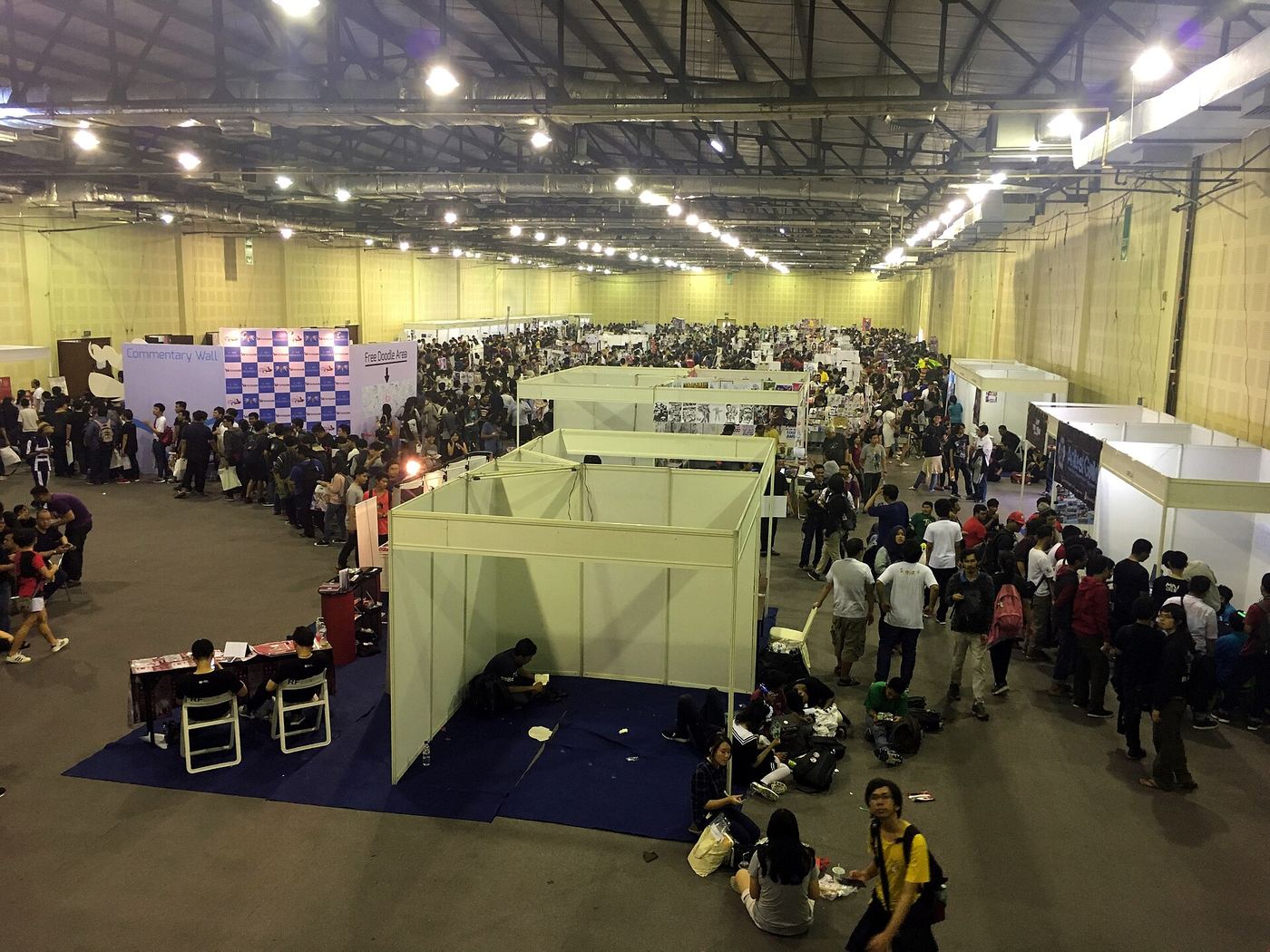
Doujin began as a labour of love: self-published comics, drawn by fans, printed in small runs and sold across folding tables at events like Tokyo’s Comic Market. The work was unofficial, often devoted to beloved series, and deliberately outside the commercial manga industry. What has changed is not the spirit but the scale. Digital platforms have carried doujin culture far beyond Japan’s convention halls, and a global generation of readers — and creators — has grown up inside it.
The shift started with scanlation communities and image boards, but it matured when Japanese platforms opened digital storefronts to overseas buyers and when print-on-demand removed the need to ship physical books across oceans. Today a circle in Osaka can release a new work in the morning and see fan art, reviews and translations discussed by readers in São Paulo, Warsaw and Jakarta by nightfall. Coverage on Anime News Network and similar outlets, once focused on commercial releases, now regularly follows doujin events and creators.
A grey zone that mostly works
Doujin exists in a famous legal grey area. Most works are derivative — new stories about characters owned by publishers and studios — yet the industry has long tolerated, even encouraged, the culture. Publishers treat doujin as a talent pipeline and a loyalty engine: many of today’s professional manga artists began as doujin creators, and hit series have been known to recruit from the convention floor. Rights holders set informal boundaries, and circles overwhelmingly respect them.
Going global complicates that quiet arrangement. Norms that everyone in Tokyo understood must now survive contact with different copyright regimes, platform rules and fan expectations. Experienced circles have adapted with clearer licensing statements, region-aware sales and official English editions of their most popular works. Our manga section follows how those arrangements are evolving.
The creator economy arrives
Subscription platforms and digital tips have changed doujin economics. A mid-sized circle once depended on two frantic convention weekends a year; now steady online income smooths the calendar and funds better printing, translation and even original series. Some creators have flipped the old journey entirely — building a global audience online first, then treating conventions as celebration rather than survival.
Original doujin, unconnected to any existing franchise, is the fastest-growing corner. Freed from derivative-work limits, creators sell worldwide without permission from anyone, and a few have been picked up for commercial serialisation in multiple languages at once.
What survives the translation
Purists worried the culture would flatten online — that the in-jokes, the etiquette, the treasure-hunt feeling of the event hall would not survive the feed. Some of that texture has indeed changed. But the core transaction of doujin was never really about paper. It is a fan telling other fans: I loved this enough to make something. That sentence translates perfectly, and the internet has given it the largest audience it has ever had.