
Inside the Dog Gut-Brain Boom: Microbiome Science Meets Man’s Best Friend
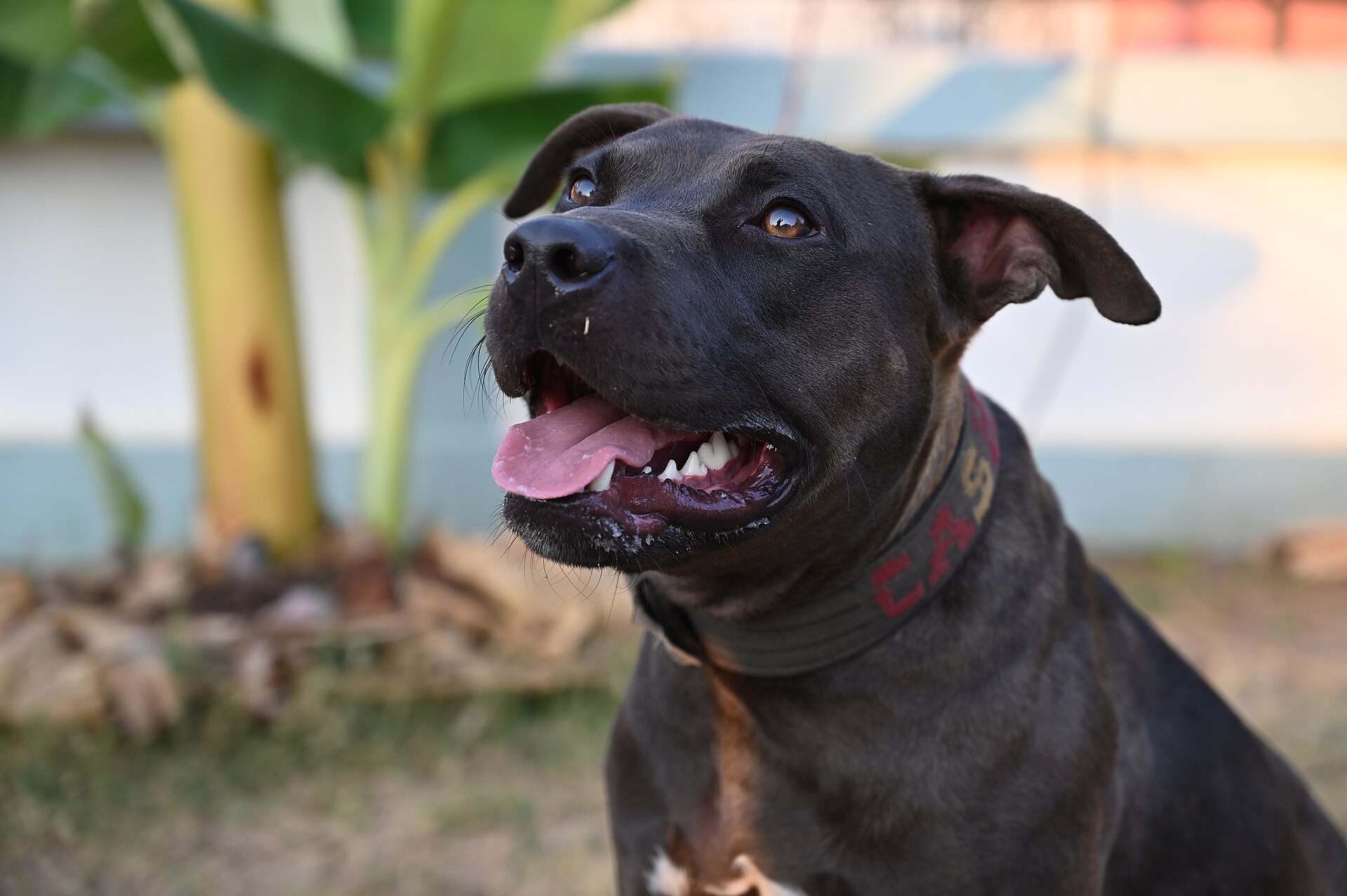
Of all the model organisms in modern science, only one sleeps on the researcher’s bed. Dogs have become the unexpected stars of microbiota-gut-brain research — the study of how gut microbes influence the brain and behaviour — and the reasons say as much about the failures of traditional models as about the virtues of dogs. As the field pivots toward animals that share human environments, the dog has moved from companion to collaborator.
The Problem With Mice
Rodent gut-brain studies produced a decade of fascinating results that stubbornly refused to translate. Laboratory mice live in sterile uniformity, eat identical chow and experience a sliver of the microbial diversity of real life. Human affective disorders, meanwhile, emerge from messy environments and complex social worlds. Dogs inhabit exactly those messy worlds — our worlds. Studies catalogued through Nature’s microbiome coverage show pet dogs’ gut communities shift with household, diet and owner contact in ways that mirror their humans’ own microbial lives.
What Canine Studies Are Finding
The emerging picture is consistent: gut microbial composition correlates with canine anxiety, aggression and cognitive ageing; dietary and probiotic interventions move microbes and behaviour together; and the chemical couriers — short-chain fatty acids, tryptophan metabolites, immune signals — are the same ones implicated in human mood disorders. For researchers modelling social and affective conditions, that is a translational bridge rodents never offered. Our blog has been collecting the most significant studies as the field accelerates.
Science That Pays Its Subjects
The canine model carries an ethical dividend rare in animal research: the knowledge flows back. Understanding gut contributions to anxiety improves life for shelter dogs awaiting homes; gut-brain insights into ageing are already shaping senior-dog nutrition; working-dog programmes use microbiome screening to support animals in high-stress roles. Initiatives tracked by the National Institutes of Health increasingly treat companion-animal research as a two-species benefit.
The Boom’s Next Phase
Inside the Laboratories Chasing the Signal
The research frontier is now methodological. Teams are standardising how canine behaviour is measured — validated anxiety scales, cognitive test batteries, sleep and activity tracking from collars — so that microbiome data can be matched against behaviour with the rigour the claims require. Others are running controlled feeding trials in which diet is the only variable, watching microbial communities and stress markers move together over months rather than days.
The prize at the end of that rigour is a new class of intervention: psychobiotics for animals first — live organisms or metabolites dosed to shift mood through the gut — and eventually, informed by everything dogs teach us, for people. It is a long road from correlation to clinic, and the field’s leaders say so plainly. But the direction is unmistakable, and it is being walked, fittingly, at the pace of a dog who knows the route by heart.
Funding bodies have noticed the momentum. Companion-animal research, once a rounding error in neuroscience budgets, is attracting dedicated programmes on the logic that a single well-designed dog cohort can inform veterinary medicine, human psychiatry and basic microbiome science simultaneously. For a field accustomed to pleading for relevance, the dog studies arrive with their relevance pre-installed: every finding lands in two medical literatures at once. Expect the kennels of today to be cited in the clinics of tomorrow.
Expect larger cohorts, standardised behavioural batteries and trials that test whether treating the gut can treat the mind — in dogs first, with human implications mapped carefully behind. The species that domesticated itself into our homes has one more gift to offer: a living, loving laboratory for the connection between the microbes within us and the feelings that define us. Discover more animal science on our homepage.